Lighting design and consulting: How to improve the aesthetics and functionality of a space?
Table of contents
Lighting is one of the most important factors that affect the atmosphere and functionality of a room. A properly designed lighting project can improve both visual aesthetics and comfort, making the space attractive and practical. In this article, we will explain how lighting design and consultation can help create a balanced and functional environment in any interior.Lighting is one of the most important factors that affect the atmosphere and functionality of a room. A properly designed lighting project can improve both visual aesthetics and comfort, making the space attractive and practical. In this article, we will explain how lighting design and consultation can help create a balanced and functional environment in any interior.
Lighting Design: Why is it important in space design?
How does light affect the visual appearance of a room?Lighting can create a variety of visual effects, influencing how people perceive the size, depth, and structure of a space. For example ceiling lamps and pendant lamps brightly illuminates the key points of the room, creating a feeling of a more open and spacious space, while wall lamps It also gives the effect of coziness and depth.
The effect of light color temperature on the atmosphereColor temperature has a significant impact on the mood of a room. Warm colors (around 2700–3000 K) create a cozy and relaxing atmosphere, which is ideal for living spaces. Cool colors (4000 K and above) create a modern and energetic mood, which fits well in the office, where they will be perfectly suited. office lighting or magnetic rail systems.
The impact of lighting choice on design harmonyProperly chosen lighting can unite an entire space into a unified, harmonious design. Table lamps and floor lamps can significantly influence design elements, highlighting details and adding an extra dimension to a space.
The importance of functional lighting for different areas
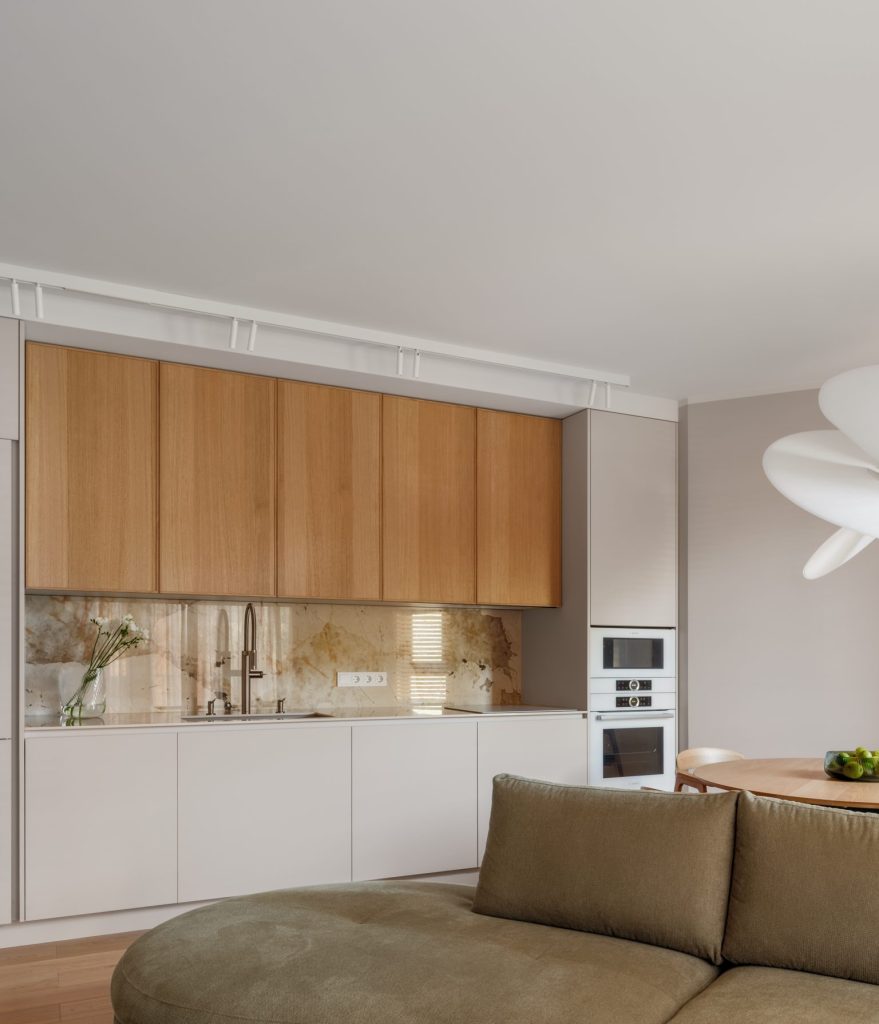
Lighting requirements are particularly high in work areas such as kitchens, home offices and workshops, as these areas require bright and focused light that promotes efficient work and can minimize eye fatigue. Perfect for such spaces are spotlights, which provides direct and intense lighting. Spotlights help to precisely illuminate work surfaces, promoting productivity and comfort, especially in the kitchen, where various tasks are performed with great precision - cooking and cutting, so correctly and well-placed spotlightscan significantly improve the quality of work by reducing fatigue and the likelihood of errors.On the other hand, relaxation areas, such as living rooms and bedrooms, require a completely different approach to lighting. In these rooms, it is recommended to use soft and relaxing lighting, which creates a calm and pleasant atmosphere. Here, floor lamps, which can be conveniently placed next to a reading chair or sofa, providing additional light for reading or conversations. Wall lamps is another great solution that not only complements the overall mood of the room, but also gives the room visual depth and helps create a cozier atmosphere. In bedrooms wall lamps can serve as soft lighting accents that help you relax before sleep.The placement of light has a direct impact on the ergonomics and overall comfort of a room. Incorrectly placed light sources, such as, pendant lamps, which is located too high or too low, can cause discomfort and even eye fatigue, especially if the light is too bright or direct. On the other hand, rooms that are too dimly lit can cause problems with visibility and, in the long run, cause fatigue. Therefore, properly planned lighting, which takes into account both the purpose of the room and ergonomics, significantly improves the functionality of the room and the comfort of its users.By combining these lighting solutions, for example, by combining spotlights in work areas and floor lamps or wall lamps in lounges, an optimal balance between aesthetics and practicality can be achieved. This allows you to create a space that not only looks attractive, but is also fully adapted to the needs of its occupants, ensuring maximum comfort and functionality.
Technology integration in lighting design
Technological developments allow the introduction of smart lighting systems that can be controlled with a remote control or even via a mobile app. Such solutions allow you to adjust the lighting to different situations – from the work environment to evening relaxation. LED lighting solutions are not only energy-efficient, but also provide a longer service life. LED bulbs allow you to choose different color temperatures and brightness, which makes them ideal for various lighting projects.Dimmable lights allow you to adjust the light intensity according to the time of day and mood. You can use brighter light during the day, and dimmer light in the evening to create a cozy atmosphere.
How to choose the right lighting solution for a room?
How to effectively use natural light in room design? Natural light is not only an environmentally friendly solution, but also one of the most powerful elements that can improve the atmosphere of a room, making it brighter and more spacious. The placement of windows in a room plays an important role, as properly placed windows allow for maximum use of daylight, which not only visually increases the size of the room, but also creates a harmonious and pleasant environment. Have you thought about using different types of windows, such as skylights or large panoramic windows, which could further enhance the influx of light?Additionally, strategically placing mirrors is another way to make the most of natural light. Mirrors placed opposite windows can significantly increase the amount of light in a room, reflecting it deeper into the space and creating a sense of spaciousness. Have you considered placing mirrors in strategic locations to maximize the benefits of natural light?
Additional functions of artificial lighting
While natural light is essential, artificial lighting is necessary to supplement natural light, especially in the evening hours or in rooms with few or no windows. Artificial lighting can significantly improve the functionality of a room at any time of the day. What type of lighting do you think is best for your space – would it be bright, general lighting, or several local light sources that would create a softer and cozier light?
Ceiling lights can provide even lighting throughout the room.
Wall lamps or floor lamps can create more intimate lighting in certain areas.
Accent lighting, such as LED strips or niche lights, can be used to highlight specific interior elements, such as paintings or decorative objects.
Tips for day and night lighting
It is also important to adjust the lighting depending on the time of day. During the day, it is best to make the most of natural light. Large windows, sheer curtains or even glass doors have the ability to let light freely flow into the room. Does your room have enough opportunities for natural light to flow?In the evenings or during the darker hours of the day, artificial lighting becomes the main source of light. To create a warmer and cozier atmosphere, it is recommended to use softer lighting, for example, with adjustable brightness or fixtures with a warm color temperature.
For evening lighting, you can use table lamps or floor lamps, which create a relaxing and peaceful atmosphere.
Built-in LED lights can be used to create soft background lighting without glare.
Have you thought about creating different lighting scenarios to adapt to different moods and activities in the room?
Types of lighting: general, accent and decorative
To make a room look harmonious and functional, it is important to combine all three types of lighting: general, accent, and decorative. General lighting provides an even distribution of light throughout the room, creating basic lighting for everyday needs. This is usually provided by ceiling lamps or built-in luminaires. Accent lighting is used to highlight specific interior elements, such as artwork, sculptures or unique design objects, drawing attention to details that would otherwise go unnoticed. Wall lights or built-in LED spotlights are great for this purpose. Decorative lighting Add style and character to the room, for example with beautiful chandeliers or designer wall lamps, which not only serve a practical purpose but also add to the aesthetics of the room, making it more attractive and interesting.By combining these three types of lighting, you will create a space that is both functional and visually appealing, creating a balanced flow of light that adapts to different moods and activities.
Lighting color temperature and intensity
To create harmonious lighting in a room, it is important to choose the right color temperature and intensity. Let's take a look below at how different types of lighting can affect the functionality and atmosphere of a room.How to choose the right color temperature?Choosing the right color temperature depends on the function of the room. Warm colors, around 2700-3000K, promote relaxation, so they are ideal for bedrooms or living areas where you want to create a cozy and calm atmosphere. On the other hand, cooler colors, around 4000-5000K, are better suited for rooms that require productivity and concentration, such as kitchens or offices.What is the importance of light intensity in different types of rooms?Light intensity is important because it affects the atmosphere and functionality of a room. A living room or bedroom usually requires lower light intensity to create a calm and relaxing environment. The brightness in such rooms should be adjusted to support relaxation. In contrast, a kitchen or office requires brighter lighting to ensure good visibility and promote efficient operation.How do adaptive lighting systems help in different situations?Adaptive lighting systems are very useful because they allow you to easily change the brightness and color temperature of the light according to your needs. Such systems offer flexibility - they can be used both for work, where bright lighting is required, and for relaxation, when you want to create a warmer and more relaxed atmosphere. Such solutions allow you to effectively manage lighting, adapting it to different hours of the day and activities.
Technical consultations and lighting plan development
Detailed lighting plan developmentLighting consultants develop detailed plans that include the placement, intensity, and direction of light sources to ensure an effective and aesthetic result.
Lighting placement strategiesStrategic placement of light sources helps create the right mood and ensures even lighting throughout the room.
Lighting project management and monitoringConsultants also offer lighting project management, overseeing the installation process and ensuring that everything is carried out according to plan and standards.
Key tips for lighting design for different spaces
When lighting large open spaces, it is important to use multiple light sources to achieve multi-layered lighting that evenly illuminates the entire space. This allows you to highlight important interior elements, such as furniture or architectural details, while maintaining the practicality of the space. Multi-layered lighting combines three main elements: general lighting, accent lighting and decorative lighting, providing both comfort and aesthetics. In bedrooms, it is recommended to use soft, warm lights that create a calm atmosphere and promote relaxation.
Lighting requirements for offices and commercial spaces
In offices where people spend long hours, bright and well-planned lighting helps reduce eye strain, which often results from prolonged screen time. An ergonomic lighting system allows for optimized light intensity and placement, which in turn promotes employee focus and improves productivity. For example, well-placed light sources can prevent shadows from forming on the desktop, which can interfere with precise work.Properly selected lighting also has a significant impact on the overall work environment. Adjusting the brightness and color temperature of the light helps create a favorable atmosphere for work. Too bright or dim lighting can cause fatigue or discomfort, so it is important to balance the intensity of the lighting according to the functions of the specific room. For example, cooler color temperatures (around 4000–5000K) stimulate brain activity, promoting alertness, while warmer light is more suitable for relaxation areas.Design and functional requirements for commercial facilities are particularly important for creating a professional and attractive environment. Commercial lighting should be both functional and aesthetic. Lighting can highlight design elements of a space, create the right mood and enhance the customer experience. For example, in restaurants, lighting should be warm and inviting, while in stores, lighting should be bright so that products are clearly visible and attractive to customers.
Lighting for public spaces and outdoor areas
The importance of lighting in the design of public spaces is incalculable, as it must be both aesthetic and functional to meet the needs of visitors and create a pleasant environment. Outdoor lighting systems must be multifunctional and adaptable to different events and conditions, ensuring not only aesthetic appeal, but also safety. This is especially important during night hours, when brighter lighting solutions can help prevent accidents and improve visibility, thus contributing to a safe and pleasant environment in public spaces.
The importance of lighting consulting: how can Lightup experts help?
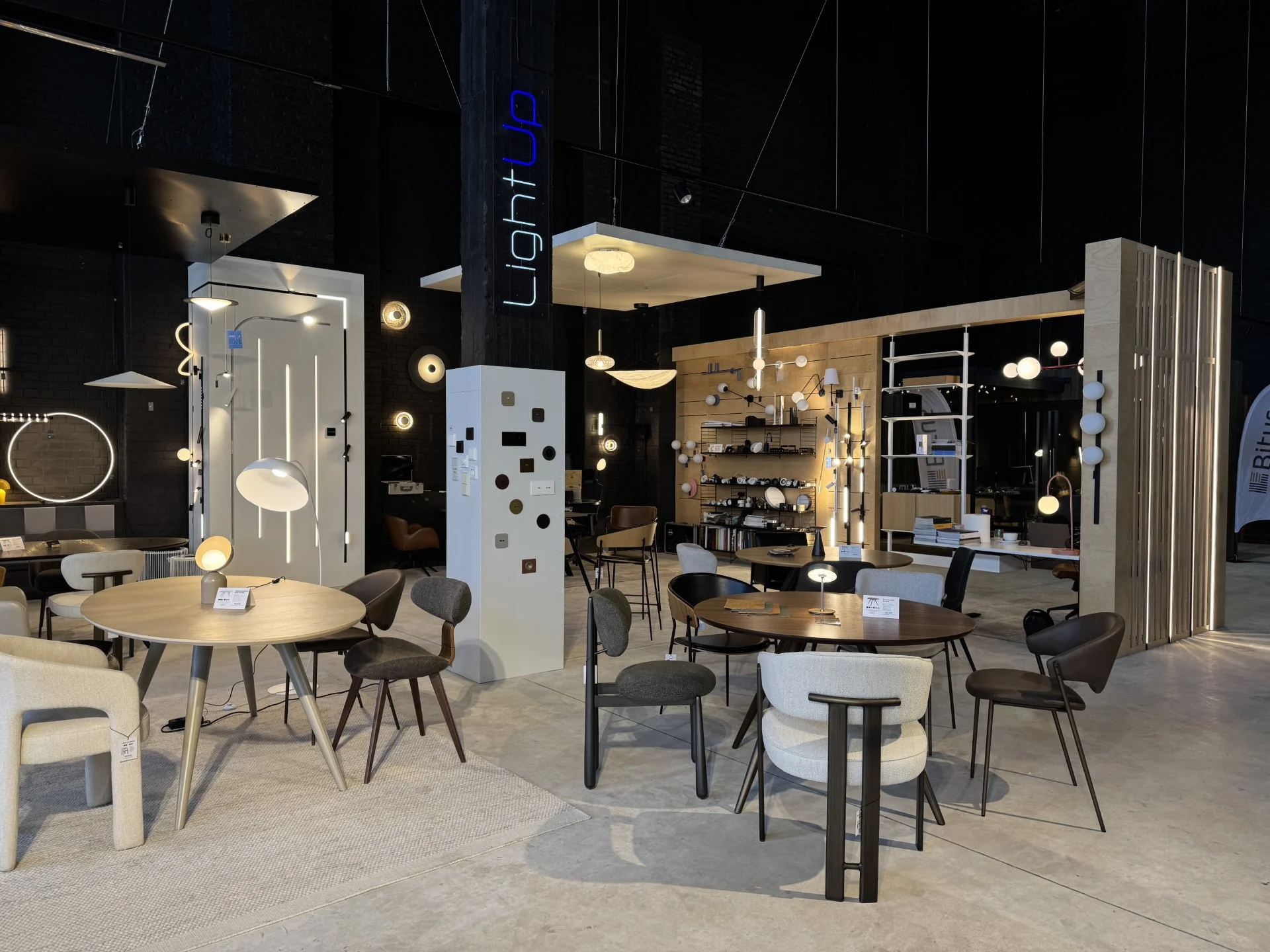
“Light up” Lighting consultants will assist you in developing customized lighting solutions that meet the client's individual needs, carefully examining the functionality of the space, stylistic requirements and design nuances to ensure a balance between aesthetics and practicality. We offer in-depth knowledge of the selection of lighting fixtures, recommending products that harmoniously fit into the interior of the room, and provide technical advice on their correct placement. In addition, experts help avoid lighting problems, such as too much or not enough light.Finally, the Lightup team also offers practical installation advice to ensure that the lighting is optimally positioned and delivers the desired results. In collaboration with professional consultants, the client can be confident that their lighting project will be both functional and stylistically attractive, suitable for their wishes and the design of the room.